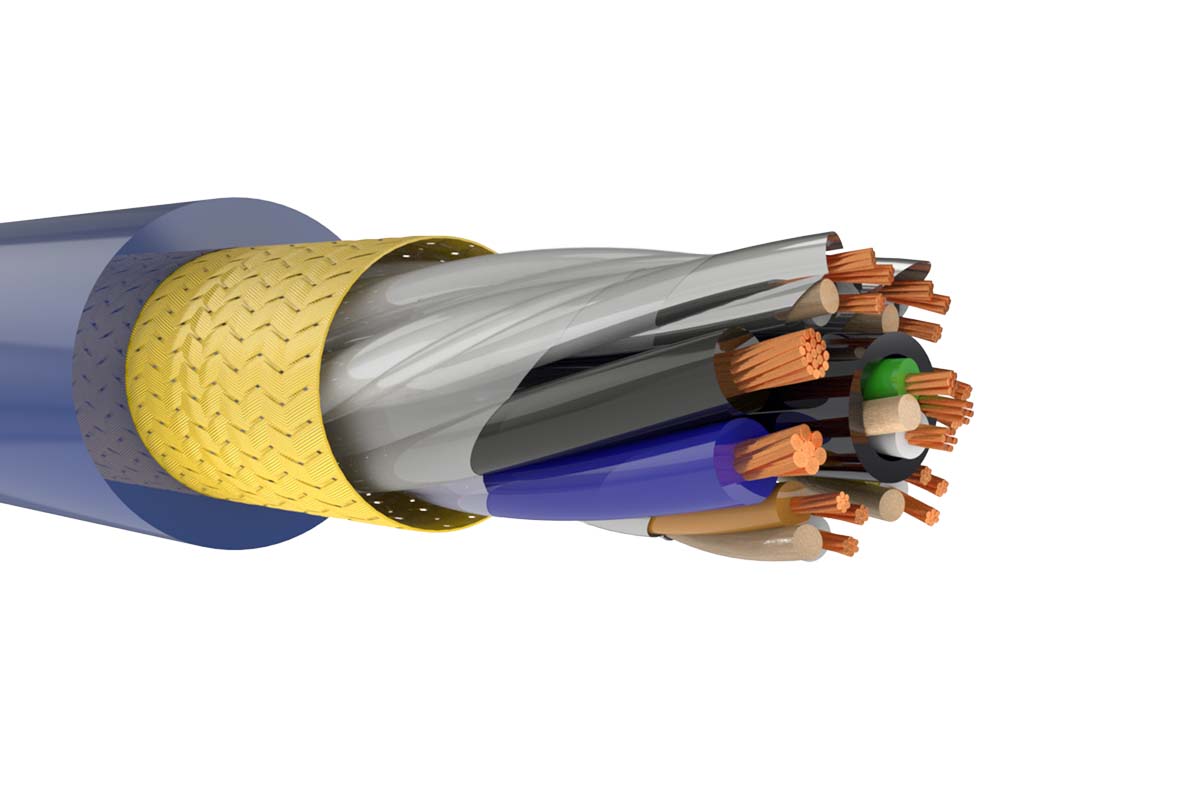
Teledyne Interconnect Solutions often adopts an application specific approach for coordinated design of wire and
cable,
connectors, and
assemblies for demanding environments across land, water, air, and space. This ensures that connectivity components are engineered to match system level environmental and mechanical requirements rather than adapted from general purpose products.
Challenges in Marine and Subsea Environments
Marine and subsea systems rely heavily on reliable wire and cable infrastructure to support power delivery, data transmission, and system integrity in challenging environments. In these applications, interconnect components such as
connectors, marine connectors,
bulk cable, and
cable assemblies are exposed to conditions that differ significantly from those found in terrestrial or controlled industrial settings. High pressure, saltwater corrosion, mechanical loading, and long deployment periods all place added demands on wire, insulation materials, and termination methods.
Need for Custom Wire and Cable Solutions
As a result, many marine and subsea projects depend on
custom cables and application specific cable assembly solutions rather than standardized products. Designing wire and cable for these environments typically involves selecting conductor types, insulation systems, shielding, and jacket materials that can withstand abrasion, chemical exposure, and repeated mechanical stress.
Bulk cable may be specified for integration into larger systems, while fully terminated cable assemblies are often used where installation constraints or reliability requirements limit opportunities for field termination.
The Role of Subsea Cables in System Performance
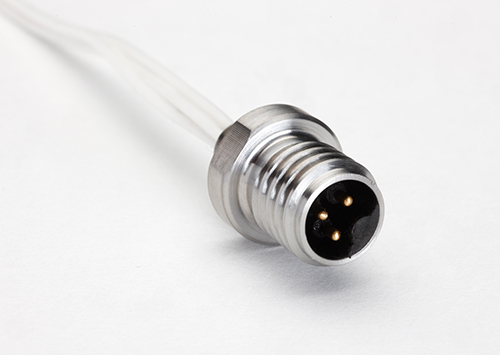 In subsea environments, the role of the subsea cable extends beyond simple signal or power transmission. A subsea cable may also experience continuous motion, serve as part of a structural load path, or interface directly with pressure rated housings and instrumentation. To address these challenges, many systems use subsea
molded cable assemblies, where connectors and cable transitions are encapsulated to reduce the risk of water ingress and mechanical failure. These molded interfaces are commonly used in long term deployments where maintenance access is limited or impractical.
In subsea environments, the role of the subsea cable extends beyond simple signal or power transmission. A subsea cable may also experience continuous motion, serve as part of a structural load path, or interface directly with pressure rated housings and instrumentation. To address these challenges, many systems use subsea
molded cable assemblies, where connectors and cable transitions are encapsulated to reduce the risk of water ingress and mechanical failure. These molded interfaces are commonly used in long term deployments where maintenance access is limited or impractical.
Waterproof and Sealed Interconnect Requirements
Waterproof cables and sealed interconnect systems are especially important in applications involving sensors, monitoring equipment, remotely operated vehicles, and autonomous underwater platforms. In these cases, the performance of the connectors and the integrity of the cable jacket are directly tied to system uptime and data quality. Marine connectors used in these environments are designed to maintain electrical or optical performance while exposed to pressure, temperature variation, and corrosive seawater.
Choosing Between Bulk Cable and Cable Assemblies
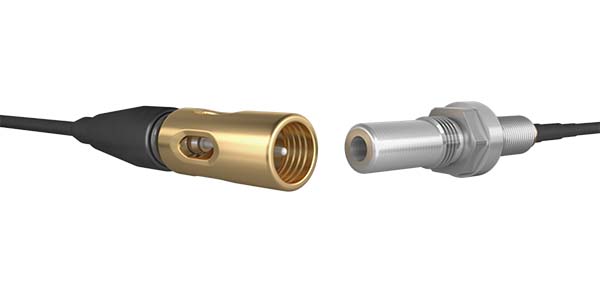
The selection between
bulk cable, custom connectors, partially terminated solutions, or complete cable assemblies is often driven by installation requirements and system architecture. Some projects rely on
bulk wire and cable supplied to precise specifications, while others benefit from factory terminated cable assembly solutions that reduce installation variability and improve repeatability.
Teledyne Interconnect Solutions’ Capabilities
Not all
interconnect solution providers offer such custom solutions.
Teledyne Interconnect Solutions does, using custom cables, application specific cable assemblies, and purpose designed marine connectors to reflect the understanding that interconnects are not interchangeable components. Instead, wire and cable, connectors, and molded interfaces must be engineered as part of the overall system, particularly in subsea environments where failure can lead to costly recovery operations or permanent data loss.

